
Home › Massachusetts › Lowell
Landscapers in Lowell, MA
Lowell yards run from steep drumlin hillsides in Belvidere to flat lots near the river in South Lowell. Call (000) 000-0000 or send the form for a free estimate. We'll review your request and help you with the next step.
- Free for homeowners
- Credentials checked before referral
- Pawtucketville to South Lowell
Request a Free Landscaping Estimate
Tell us about the project. We'll review it and help you with the next step.
Please add your name, a 10-digit phone number and a valid email.
Sorry, we couldn't save your request just now. Please call (000) 000-0000 so it isn't lost.
We've received several requests from this connection in a short time. Please call (000) 000-0000 and we'll take it from there.
Landscaping services in Lowell
What are you planning in Lowell?
Patios & Walkways
Pavers, bluestone and natural stone, set on a compacted base that survives frost.
Retaining Walls
Block and stone walls that hold a slope, with drainage behind them.
Landscape Design & Plantings
A plan for the whole yard, then beds, shrubs and trees that suit the site.
Yard Drainage
Grading, drains and dry wells for wet lawns and water near the foundation.
Outdoor Living
Fire pits, outdoor kitchens, pergolas and seating walls.
Lowell, neighborhood by neighborhood
Hillsides, river flats and small city lots
Lowell's land rises from about 50 feet above sea level at Duck Island on the Merrimack to 300 feet on Christian Hill, and most of the city sits somewhere between. Nearly half its housing was built before 1940. That mix of old houses, steep drumlins and flat river terraces means yard projects here are often about grade: holding a slope, getting water away from a foundation, or fitting a usable patio onto a narrow lot.
Belvidere
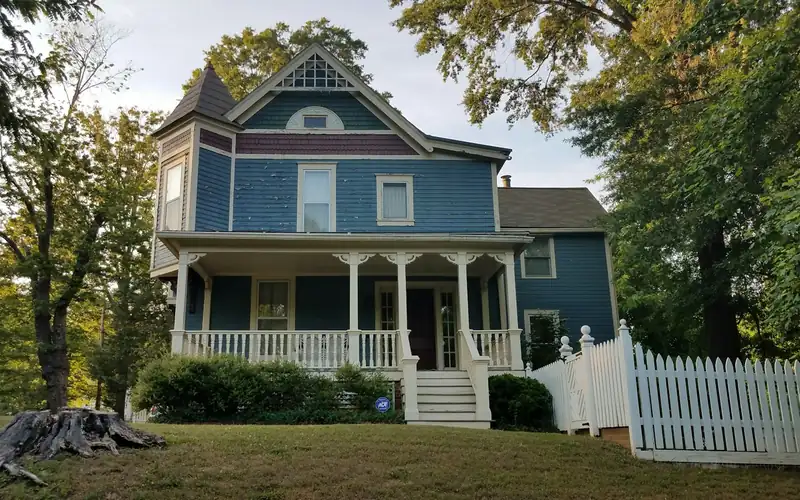
East of the Concord River, with large houses built on the hill between about 1845 and 1945 for their views across the city. Fort Hill and Lynde Hill are glacial drumlins, so many lots slope hard, and terraces and retaining walls are common needs. Belvidere Hill is a Lowell Historic Board review district.
Centralville
Dense three-decker streets on the low ground and larger houses on the hillside, which was the wealthier part of the neighborhood by the 1850s. Christian Hill, its high point, reaches 300 feet. Small backyards here make the most of a compact patio and good drainage.
Pawtucketville
North of the Merrimack, annexed in 1874, and one of Lowell's least dense neighborhoods. The last farms in West Pawtucketville disappeared in the 1950s, and the area has seen a lot of newer construction since. Bigger lots leave room for a full yard plan rather than one project at a time.
Highlands
An elevated plain without the steep slopes of Lowell's other hills. Many houses date from the 1870s and 1880s, some set back on large open lots, which suits front walkways, foundation plantings and side-yard patios. Wilder Street is a Historic Board review district.
South Lowell
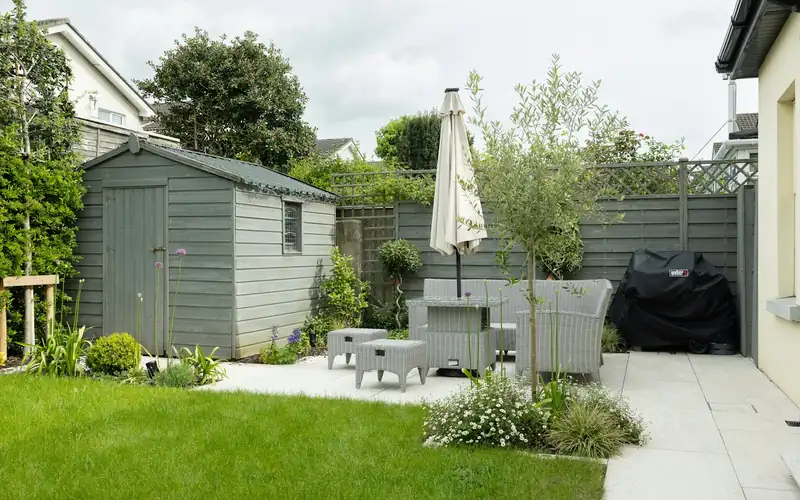
The least densely settled part of the city, including Ayers City, a village from the 1860s and 1870s. More room per lot means space for a larger patio, a planted border or a proper swale to carry storm water away from the house.
Soil, water and zoning
What Lowell's ground and rules mean for a yard project
Sand by the rivers, till on the hills. Along the Merrimack, the Concord and the brooks, Lowell sits on stratified sand and gravel, in places more than 140 feet deep. That drains well, which suits dry wells and permeable pavers. The higher ground is mostly glacial till over bedrock, which holds water and needs a deeper, better-drained base under a patio or wall.
Floodplain near the brooks. The city's open space plan notes chronic flooding inside the 100-year floodplain along River Meadow, Beaver, Black and Clay Pit brooks, and along parts of the Merrimack and Concord. If your yard is near one of them, plan drainage before hardscape, and expect Conservation Commission review.
Front yards stay green. On lots with more than 40 feet of frontage, Lowell's zoning ordinance requires at least half of the front yard between the street and the house to stay landscaped open space, with no parking on it. Hard surfaces don't count toward it.
Patios in the rear yard. The ordinance lets each dwelling unit place one deck or patio of up to 200 square feet within the rear yard, kept free of vehicles. If you're planning something larger or closer to a lot line, check with Development Services first.
Permits and local rules
Permits and approvals in Lowell
Building permit. Development Services at City Hall handles building and fence permits. Fences up to six feet don't need a permit; taller ones do. Under the state building code, retaining walls over four feet from the bottom of the footing, or walls supporting a driveway or building above, need a permit and a licensed construction supervisor.
Wetlands and canals. Lowell has its own wetlands ordinance, enforced by the Conservation Commission alongside the state law. It protects the city's canals and raceways as well as rivers, streams and ponds, adds a 100-foot buffer from their banks, and removes the state's Riverfront Area exemptions. Projects in the floodplain, the Riverfront Area or within 100 feet of a wetland need the Commission's review.
Historic districts. The Lowell Historic Board, created by the Massachusetts Legislature in 1983, oversees 11 review districts. Downtown, it reviews changes to any exterior feature of a parcel, and its design standards cover fences and paving. The neighborhood districts, including Belvidere Hill, Andover Street and Wilder Street, review demolition and new construction. Ask Board staff before you sign.
Outdoor watering. The Lowell Regional Water Utility posts its current watering guidance; during drought it asks customers to avoid non-essential outdoor watering. Plan new plantings for spring or fall when you can.
Licensing. We verify the credentials a job requires before we send a contractor any calls.
New England Landscapers is a referral service. We don't pull permits or do landscaping work. The contractor who does the job handles the permit.
FAQ
Lowell questions
Do I need a permit for a fence in Lowell?
Not for a fence up to six feet high, which can sit on or close to the lot line. Fences over six feet need a building permit, and on corner lots a fence can't block drivers' sight lines. Development Services handles fence permits.
How much of my front yard can I pave in Lowell?
On lots with more than 40 feet of frontage, Lowell's zoning ordinance requires at least half of the area between the front lot line and the front of the house to stay landscaped open space, and no parking in it. Narrower lots have their own rule. Check with Development Services before widening a driveway or paving a front yard.
Does Lowell have its own wetlands rules?
Yes. Lowell's wetlands ordinance works independently of the state Wetlands Protection Act. It covers the city's canals as well as rivers, streams and ponds, and the state's Riverfront Area exemptions don't apply. Work within 100 feet of a resource area goes to the Conservation Commission first.
I live in a Lowell historic district. Does yard work need approval?
In the Downtown Lowell Historic District, the Lowell Historic Board reviews changes to any exterior feature of a building, structure or parcel. The neighborhood districts, such as Belvidere Hill and Wilder Street, review demolition and new construction. Check with Historic Board staff before you sign for fences, walls or paving in any district.
Is there a charge to use New England Landscapers?
No. The call and the referral are free to homeowners. Your estimate and any work are agreed directly between you and the contractor.
Nearby